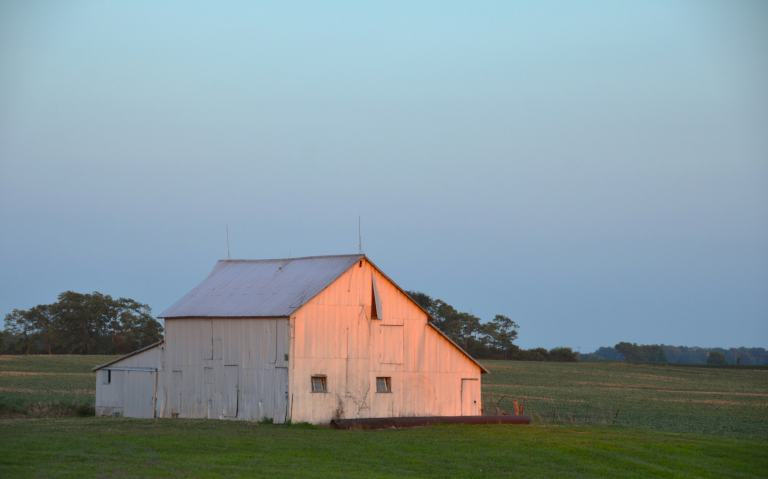
Barndominium Insurance in Tennessee: Costs, Coverage and Traps (2026)
Barndominium insurance in Tennessee is easier to find in 2026 than it was a few years ago, but it is not automatic. A barndo that is built and permitted as a full residence can usually be covered by a standard homeowners policy, while a converted shop, a mixed use building or a home far from a fire station may get turned down or pushed to a pricier carrier. Expect premiums in the same range as a comparable stick built home, roughly $2,700 to $3,000 a year on average statewide, with the real differences hiding in roof, storm and shop details.
This guide covers what Middle Tennessee buyers and builders actually run into: why some insurers hesitate, what drives the price, the metal roof clause most people miss, and how to insure the build itself before you ever move in. It is written for Williamson, Davidson, Rutherford, Maury and Marshall counties, where most of the barndo land we show sits. If you are still deciding whether to build at all, start with can you build a barndominium in Tennessee.
Is It Hard to Insure a Barndominium in Tennessee?
Less than it used to be. Insurance trade publications have noted that carriers which once declined barndominiums outright now write standard policies on them. The hesitation that remains comes from a short list of things underwriters still treat as unusual: steel or post frame construction, wide open spans, custom interiors, rural locations far from hydrants, and a big shop living under the same roof as the bedrooms.
Why some insurers still say no
Most homeowners pricing is built on suburban comparables. A 40×60 steel building with a living quarters on one end and a 1,200 square foot shop on the other does not fit the model, so some companies decline rather than price it. Others accept it but ask more questions: what the frame is made of, what the interior walls are made of, whether the shop is used for a business, and how far the nearest staffed fire station sits by road.
What makes it easier
- A certificate of occupancy showing the building is a single family residence, not an agricultural building with a bedroom added later.
- A licensed contractor on the job. Tennessee requires a contractor license for projects of $25,000 or more, and insurers notice an owner build with no paper trail.
- A clear cost breakdown from the builder so the replacement cost is based on real numbers.
- Working with an independent agent who can shop several Tennessee carriers instead of one captive company.
How Much Does Barndominium Insurance Cost in Tennessee?
There is no separate barndominium rate table. Carriers price a barndo like any other house, using its rebuild cost, location, roof, deductibles and claims history. Statewide, published 2026 averages put Tennessee homeowners premiums at about $2,672 to $3,045 a year for $300,000 of dwelling coverage, and one 2026 analysis found the average Tennessee premium up 14 percent. Tennessee now ranks around 17th most expensive in the country, driven mostly by wind, hail and tornado losses.
The spread matters more than the average. The same Tennessee home has been quoted anywhere from about $1,790 to $9,385 a year depending on the carrier, deductible and coverage choices. For a barndo, that spread is often wider because fewer companies want the risk.
| Cost driver | Why it matters for a barndo | What to do |
|---|---|---|
| Rebuild (replacement) cost | The biggest driver. A finished barndo often costs more per square foot to rebuild than the shell price suggests. | Give the insurer the builder’s line item budget, not the kit price. |
| Fire protection class | Distance by road to a responding fire station and to a hydrant. Rural lots can land in the worst classes. | Measure road miles before you buy the land. |
| Roof type and rating | Metal roofs resist wind and fire, but dents from hail are a coverage fight. | Ask about Class 4 impact credits and cosmetic damage wording. |
| Wind and hail deductible | Often 1% to 2% of the dwelling limit in Tennessee instead of a flat dollar amount. | Price the percentage in dollars before you sign. |
| Shop and business use | A shop used for paid work can trigger exclusions or require a separate policy. | Tell the agent exactly what happens in the shop. |
| Construction class | A true steel frame may rate as noncombustible, but wood interior walls and finishes can pull it back. | Ask how the carrier classifies your specific build. |
If you are still pricing the build itself, our breakdown of the cost to build a barndominium in Tennessee gives realistic finished numbers you can hand straight to an insurance agent.
Storms, Hail and the Metal Roof Clause
Middle Tennessee buys insurance for wind more than anything else. Tennessee recorded 60 confirmed tornadoes in 2025, tied for its highest count in a four year stretch, and tornado losses in the state rose from about $745 million to $1.9 billion when 2015 to 2024 is compared with the decade before. Insurers price that in, and a barndo on open pasture with no tree line takes the full force of the wind.
The cosmetic damage exclusion
This is the clause most barndo owners never read. Many Tennessee policies add an endorsement that excludes cosmetic damage to metal roofs, meaning dents, pitting or marring from hail that change how the roof looks but do not let water in. Courts have upheld these exclusions. In plain terms, a bad hailstorm can leave your roof looking like a golf ball and the claim can still be denied if nothing leaks. Some carriers let you buy the coverage back for a higher premium. Ask for the exact wording before you bind the policy, not after the storm.
Class 4 roofs and wind deductibles
A metal roof tested to UL 2218 Class 4 for impact resistance can earn a premium credit, commonly cited in the 5 to 35 percent range on the wind and hail portion, but only if your carrier offers it and you provide the documentation. Keep the manufacturer certificate with your closing papers. Also price your wind and hail deductible in dollars. A 2 percent deductible on a $450,000 dwelling limit is $9,000 out of pocket before the policy pays anything on a storm claim.
For the structural side of storm risk, see our comparison of post frame vs red iron barndominium construction, including the wind design numbers Nashville area builds are held to.
Rural Land, Fire Protection and Flood Zones
Two questions about the land itself can move your premium more than anything about the building: how far is the fire truck, and where does the water go.
Fire protection class on rural lots
Insurers use a fire protection rating from 1 (best) to 10 (essentially unprotected). Homes more than about five road miles from a responding fire station typically fall into the worst class, and being far from a hydrant hurts too. Much of the barndo friendly acreage in rural Maury and Marshall counties, and parts of southern Rutherford, is served by county or volunteer stations with long response distances. Before you go under contract on land, ask an agent for a quick protection class check on the address. Our barndominium land checklist covers the other questions to ask about a tract, and the Maury County homes for sale page shows what is available now.
Flood is a separate policy
Standard homeowners policies do not cover flood. Middle Tennessee remembers the May 2010 flood, when parts of Davidson and surrounding counties went under, and creek bottom land that makes great pasture can sit inside a mapped flood zone. Flood coverage comes through the National Flood Insurance Program or a private flood carrier, and NFIP policies generally have a 30 day waiting period before coverage starts. If your lender requires flood insurance, it will tell you, but buying it voluntarily on low lying land is often worth a quote. Siting the slab above the flood line during planning is cheaper than insuring around it later.
Does Homeowners Insurance Cover a Barndominium Shop?
Usually yes for a personal shop, often no for a business. This is where barndos differ most from a regular house, because the shop is frequently the reason people build one.
Attached shop vs detached shop
A shop under the same roof as the living space is generally insured as part of the dwelling. A detached shop is normally covered under other structures coverage, which on many policies defaults to 10 percent of the dwelling limit. On a $400,000 dwelling that is $40,000, which may not rebuild a 40×60 steel shop. Raise that limit or schedule the building separately.
Running a business out of the shop
Standard homeowners forms sharply limit business property, commonly to about $2,500 on the premises, and many exclude structures used for business entirely. If you weld for customers, run a cabinet shop, store inventory or have clients on site, ask about a home business endorsement or a separate commercial policy. Equipment, tools and a customer slipping on the shop floor are exactly the claims that get denied when the use was never disclosed. The same goes for farm activity. If you keep cattle, horses or sell hay, a farm or ranch policy may fit better than a homeowners form.
Planning the layout first helps here too. Our barndominium floor plans page covers how shop size and placement change the build.
Insuring the Build: Builder’s Risk Coverage
A homeowners policy does not start until the house is a house. While a barndo is going up, the materials, the shell and the work in place are covered by a builder’s risk policy. Construction loans almost always require one. Premiums are often quoted at roughly 1 to 4 percent of the construction value depending on the term, the frame type and theft exposure on an open rural site.
- Confirm who carries it. Many licensed builders include it in the contract. If you are acting as your own general contractor, it is on you.
- Match the term to the real schedule. Barndos in Middle Tennessee commonly take 6 to 10 months of construction, and delays from steel lead times or wet weather are common, so ask what an extension costs.
- Watch for theft. Steel panels, copper and tools left on an unfenced lot are a real exposure.
- Line up the homeowners policy before the final inspection so there is no gap when the certificate of occupancy is issued.
Our guide to how long it takes to build a barndominium walks through a realistic Middle Tennessee timeline, which is the number your builder’s risk term should be based on.
How to Shop for Barndominium Insurance in Tennessee
- Start with an independent agent who already writes rural and post frame homes in your county.
- Get at least three quotes and compare the same dwelling limit, deductibles and roof wording.
- Ask for replacement cost on the dwelling, and check that the limit matches a real rebuild budget. If you are buying an existing barndo, get these quotes during your inspection period, not the week before closing.
- Ask directly about the metal roof cosmetic damage exclusion and whether a buy back is available.
- Disclose the shop use, livestock and any rental or short term use up front.
- Review the policy every year. Building costs have climbed, and an old limit can leave you underinsured.
We are real estate agents, not insurance agents, so treat this as a starting checklist and let a licensed Tennessee insurance professional quote your specific property. What we can do is help you find land and homes where the insurance math works before you commit. For loan questions, including what lenders ask for on barndos, visit the barndominium financing page.
Frequently Asked Questions
How much does barndominium insurance cost in Tennessee?
There is no separate barndo rate. Tennessee homeowners premiums averaged roughly $2,672 to $3,045 a year for $300,000 of dwelling coverage in 2026 published data, and a barndo is priced the same way, by rebuild cost, location, roof and deductibles. Rural fire protection, a large shop or business use can push a quote well above average.
Is it hard to get insurance on a barndominium?
It is easier than it was, and many carriers now write standard policies on barndos finished as residences. Converted ag buildings, owner builds without permits, business use in the shop and lots far from a fire station are the situations most likely to get declined or sent to a higher priced carrier.
Does homeowners insurance cover hail damage on a metal barndominium roof?
It depends on the policy wording. Many policies exclude cosmetic damage to metal roofs, meaning dents that do not let water in. If the hail causes leaks or functional damage it is usually covered, minus your wind and hail deductible. Ask for the exact endorsement before you buy.
Do I need builder’s risk insurance to build a barndominium?
Yes in practice. Homeowners coverage does not apply during construction, and construction lenders require builder’s risk. Confirm whether your licensed builder includes it in the contract or whether you need to buy it yourself.
Is my barndominium shop covered by homeowners insurance?
An attached shop is usually covered as part of the dwelling and a detached shop under other structures coverage, often 10 percent of the dwelling limit by default. Business use is the catch. Paid work, inventory or customers on site typically need an endorsement or a separate commercial policy.
Plan Your Barndominium
Ready to go from reading to building? Start with the land, the loan or the build package.
The Barndominium Section
Land, financing, floor plans and a licensed builder for your barndominium in Middle Tennessee.