Relocating to Middle Tennessee: A Real Estate Guide for Out-of-State Buyers
Every week, families from California, New York, Illinois, Texas, and Florida reach out asking the same question. What is it actually like to live in Middle Tennessee, and how do I make the move without overpaying or ending up in the wrong area?
Relocating to Middle Tennessee is one of the smartest moves a family or professional can make right now, but only if you understand the landscape before you start shopping. This is not a guide full of Chamber of Commerce talking points. This is what nearly two decades of selling real estate across five Middle Tennessee counties has taught me about helping people land in the right place.
Why So Many People Are Relocating to Middle Tennessee
If you are relocating to Middle Tennessee, the short answer for why is quality of life per dollar spent. Tennessee has no state income tax, which immediately puts money back in your pocket compared to most states people are leaving. But income tax is just the beginning.
Middle Tennessee offers a rare combination that most metros cannot match. You get legitimate culture, dining, live music, and professional sports through Nashville. You get top-ranked public schools through Williamson County. You get land, space, and genuine breathing room once you move fifteen or twenty minutes south of the city. And you get a cost of living that, while it has risen in recent years, still delivers significantly more home for the dollar than the coasts or major metro areas like Austin, Denver, or Atlanta.
The region also sits in one of the strongest job markets in the Southeast. Healthcare, tech, finance, and corporate operations continue to expand here. If you work remotely, the central time zone and direct flights from BNA to most major cities make it even more practical. The State of Tennessee also continues to rank among the most business-friendly states in the country.
Understanding the Counties: This Is Where Most People Get It Wrong
One of the biggest mistakes out-of-state buyers make is treating “Nashville” like it is one market. It is not. Middle Tennessee is made up of several counties, each with a very different personality, tax structure, school system, and price point. Where you land matters enormously.
Williamson County
This is the premier county in the region and one of the wealthiest counties in the entire Southeast. Franklin, Brentwood, Nolensville, Thompson’s Station, Spring Hill, College Grove, Arrington, and Leiper’s Fork all fall within Williamson County. Schools here consistently rank among the best in Tennessee and compete nationally. Property values are higher than surrounding counties, but the long-term appreciation and quality of life justify the investment for most families. If schools are a priority, this is where you want to be.
Davidson County
Davidson County is Nashville. This is where you will find urban living, walkable neighborhoods like 12 South, Germantown, East Nashville, and the Gulch, as well as established suburban areas like Green Hills and Belle Meade. The school system is Metro Nashville Public Schools, which varies significantly by zone. Davidson County offers lifestyle and convenience that the surrounding counties cannot replicate, but your property tax rate will be higher and your lot size will generally be smaller.
Rutherford County
Murfreesboro is the anchor here, and it has grown into one of the fastest-expanding cities in the state. Homes in Rutherford County are generally more affordable than Williamson County, making it attractive for buyers who want more square footage and acreage without the Williamson County price tag. The tradeoff is a longer commute into Nashville and a different school district, though Rutherford County schools are solid and improving.
Maury and Marshall Counties
These two counties represent the next wave. Columbia in Maury County and Lewisburg in Marshall County are seeing growing interest from buyers who want rural character, land, and value. Prices here are lower, and the lifestyle is more agricultural and small-town. For buyers seeking acreage, hobby farms, or investment potential ahead of growth, these counties deserve serious consideration.
The Housing Market to Know Before Relocating to Middle Tennessee
If you are relocating from a major metro, the market here may feel familiar in some ways and very different in others. Here are the realities of relocating to Middle Tennessee that I walk every relocation client through.
Homes Move Fast in Desirable Areas
Well-priced homes in Franklin, Brentwood, and Nolensville in the sweet spot between seven hundred thousand and one and a half million can go under contract within days. If you are relocating, get pre-approved before you arrive and be ready to make decisions quickly. I strongly recommend a trip specifically for house hunting rather than trying to squeeze showings into a vacation.
Price Per Square Foot Varies Dramatically by Location
A three thousand square foot home in Brentwood and a three thousand square foot home in Murfreesboro might differ by three hundred thousand dollars or more. That does not mean one is overpriced and the other is a deal. It means you are paying for school district, location, lot size, and neighborhood amenities. Understanding what drives price in each area helps you make a smarter comparison.
New Construction Is Everywhere, but Read the Fine Print
Middle Tennessee has a massive amount of new construction, from master-planned communities in Nolensville to custom builds on acreage in Leiper’s Fork. New builds can be an excellent option for relocation buyers who want everything move-in ready. Just be aware that builder contracts in Tennessee tend to favor the builder, and having your own agent review the terms before you sign is essential.
Property Taxes Are Lower Than What You Are Used To
If you are coming from California, New Jersey, Illinois, Connecticut, or New York, your property tax bill here will feel like a relief. Tennessee property taxes are among the lowest in the country. Williamson County is slightly higher than surrounding counties due to the school system quality, but even so, it is substantially lower than what most relocating buyers are paying now.
The Lifestyle Factor: What Day-to-Day Life Actually Looks Like
People relocating to Middle Tennessee come for the numbers, but they stay for the lifestyle. This is a region where you can have dinner at a nationally recognized restaurant in Nashville and be back on your porch in Franklin watching the sunset over rolling pasture within thirty minutes.
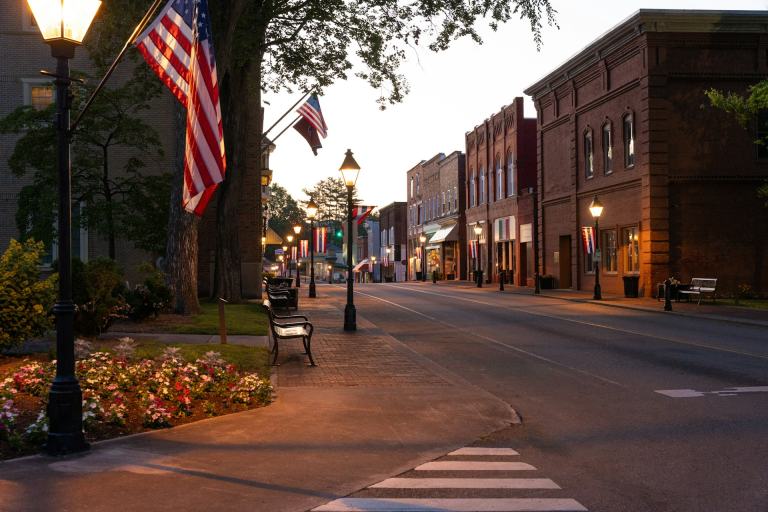
The outdoor access is outstanding. Natchez Trace Parkway, Percy Warner Park, Radnor Lake, and dozens of smaller parks and greenways offer hiking, biking, and trail running year-round. The music and arts scene extends well beyond Lower Broadway. Franklin’s downtown alone hosts live music, independent shops, and locally owned restaurants that rival any small city in America.
For families, the youth sports scene is robust, the community events are constant, and the schools provide opportunities in academics, athletics, and fine arts that are difficult to match elsewhere. For professionals and entrepreneurs, the Nashville business community is welcoming, well-connected, and growing rapidly.
How to Start Relocating to Middle Tennessee the Right Way
I work with relocation buyers every month, and the ones who have the smoothest experience follow a simple process.
First, get clear on your priorities. Schools, commute, acreage, walkability, budget. Rank them honestly because Middle Tennessee can deliver on most of these, but not always all at once in every location.
Second, connect with an agent who lives and works across multiple counties, not just one zip code. The difference between landing in the right community and the wrong one often comes down to a few miles and a county line. An agent with broad local knowledge saves you from expensive surprises.
Third, visit before you commit. Virtual tours are helpful, but nothing replaces driving the neighborhoods at different times of day, eating at the local spots, and getting a feel for the pace of a community.
Finally, do not rush the timeline. Give yourself at least sixty to ninety days from initial search to close. The best relocation decisions come from preparation, not pressure.
For more, explore a guide to the area’s most sought-after neighborhoods and a homebuyer’s guide to Williamson County school zones.
Let’s Talk About Your Move
I have helped families relocate to Middle Tennessee from across the country for nearly two decades. Every situation is different, and I am happy to walk through yours whenever you are ready. Whether you are six months out or starting to look next week, a conversation now saves time and money later. You can also learn more about my background here.
Reach out anytime at 615-480-5770 or SStrickhausen@gmail.com.
Stephen Strickhausen
Benchmark Realty, LLC | License #313360
Relocating to Middle Tennessee: Frequently Asked Questions
Is Middle Tennessee a good place to relocate?
Yes. Middle Tennessee draws newcomers with no state income tax, a strong job market, relative affordability compared to many major metros, top schools in counties like Williamson, and a high quality of life.
Does Tennessee have a state income tax?
No — Tennessee has no state income tax on wages, one of the biggest financial draws for people relocating from higher-tax states.
Which Middle Tennessee area is best for families?
Popular family picks include Franklin, Brentwood, and Nolensville in Williamson County and Mt. Juliet in Wilson County, all known for strong schools. Explore Franklin TN homes for sale to start.