Barndominium Solar Panels in Tennessee: 2026 Costs, Credits and Payback
Barndominium solar panels make more sense on a barndo than on almost any other house, because a wide metal roof is the easiest surface in residential construction to mount on and it will outlast the panels. In Middle Tennessee the honest catch is money, not the roof. Installed solar averaged about $2.78 per watt in Tennessee in mid 2026, the 30% federal homeowner credit ended for systems placed in service after December 31, 2025, and the TVA power companies here do not offer one for one net metering. So a barndo solar system can be a great fit, but it pays back slowly unless you design for it from the start.
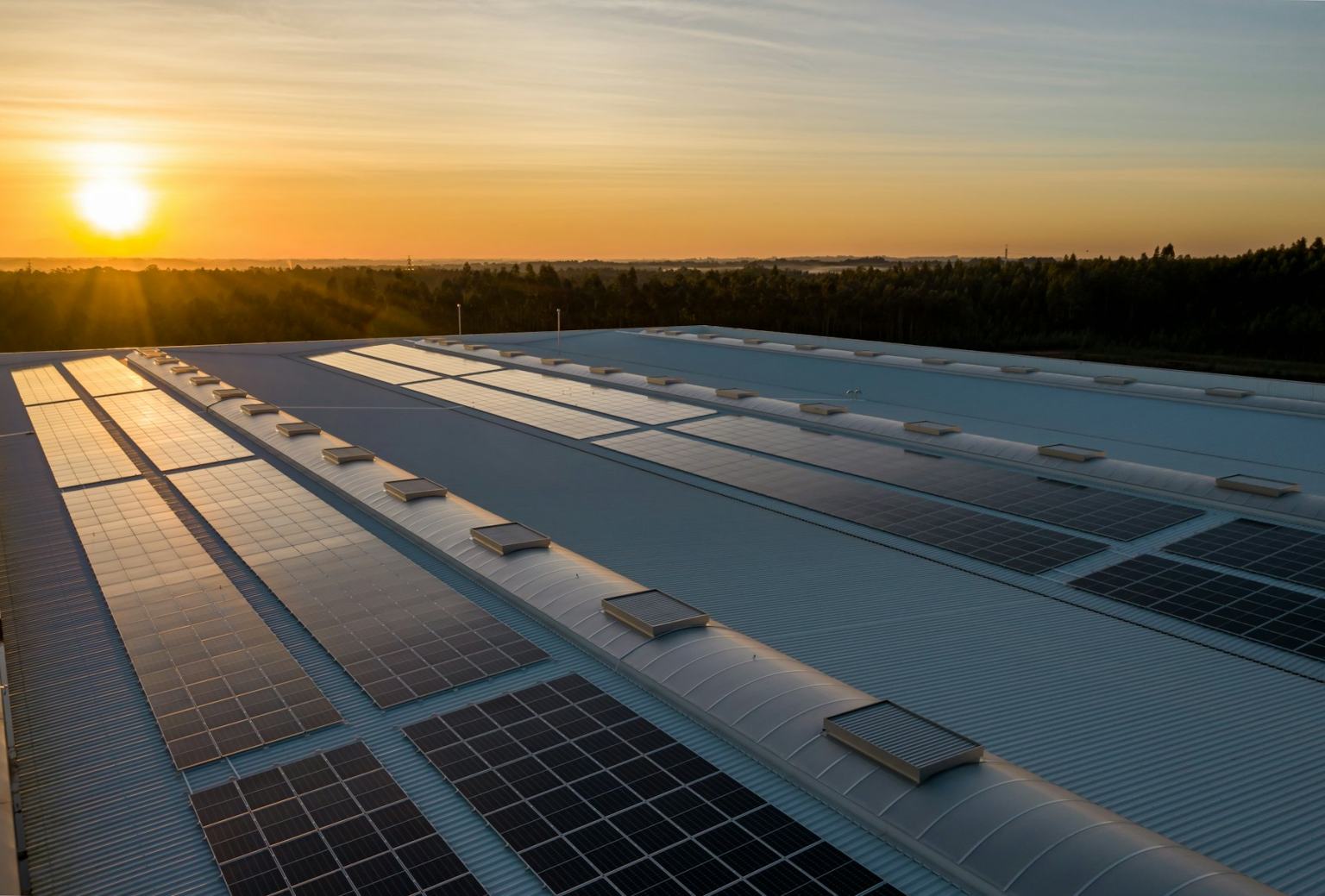
Why a Barndominium Roof Is Built for Solar
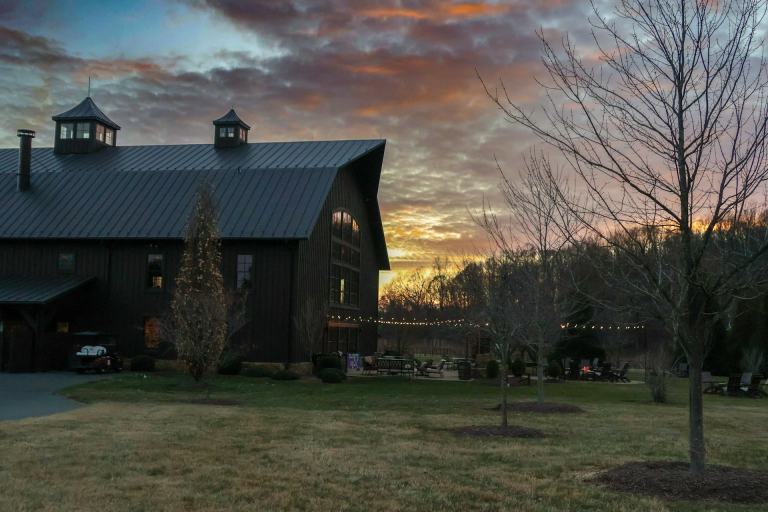
Most barndominiums in Williamson, Maury, Rutherford, Marshall and Davidson counties go up with a metal roof on a simple gable, which solves the biggest headaches of putting solar on a conventional house.
A Metal Roof Outlasts the Panels
Solar panels are typically warrantied for 25 to 30 years. An asphalt shingle roof often needs replacing at 15 to 30 years, which means pulling the panels off and paying to reinstall them halfway through their life. A metal roof is commonly rated for 40 to 70 years, so the roof and the array can age out together. That one fact is the strongest argument for solar on a barndo.
Standing Seam Versus Exposed Fastener
How the panels attach depends on the roof profile. On a standing seam roof, clamps grip the raised seam itself, so the racking goes on without drilling through the roof panels. On the exposed fastener (ribbed) panels that many budget barndos use, brackets fasten through the ribs and seal with gaskets. Both are engineered systems, but clamps keep the roof surface intact, which is a good reason to price standing seam on at least the south slope. We cover how the frame and roof choices interact in our post frame vs red iron barndominium guide.
Big, Simple Planes
A 40 by 60 barndo with a gable roof has two long, uninterrupted roof planes with no dormers, valleys or vent clusters in the way. Set the ridge running east to west and one entire slope faces south, which is the ideal orientation in Tennessee. A typical 4/12 pitch sits at about 18 degrees, flatter than the roughly 36 degree latitude here, which costs a little production but not much.
What Barndominium Solar Panels Cost in Tennessee in 2026
Recent pricing data gives a reasonably tight range. EnergySage put the Tennessee average at about $2.78 per watt installed in July 2026, and SolarReviews listed a statewide average of $2.92 per watt in its 2026 guide, with smaller systems costing more per watt (about $3.49 at 4 kW) and larger ones less (about $2.72 at 10 kW). Those are cash prices before any incentives.
| System size | Typical use case | Estimated installed cost (2026) | Est. yearly output |
|---|---|---|---|
| 5 kW | Daytime loads, small barndo | $15,000 to $17,500 | 6,250 to 7,000 kWh |
| 8 kW | About half of an average home’s use | $22,000 to $24,000 | 10,000 to 11,200 kWh |
| 12 kW | Most of an average home’s use | $32,600 to $35,000 | 15,000 to 16,800 kWh |
| 15 kW | House plus a busy shop | $40,800 to $43,800 | 18,750 to 21,000 kWh |
| Battery, 13.5 kWh | Evening use and outage backup | About $13,500 each | Stores, does not generate |
Two things changed the math this year. First, the federal Section 25D residential clean energy credit, the 30% credit most homeowners used, was ended by the One Big Beautiful Bill Act signed July 4, 2025, and it does not apply to systems placed in service after December 31, 2025. A barndo finishing construction in 2026 or later is paying the full sticker price. Leases fall under separate business credit rules, so have a tax professional review any lease pitch. Second, equipment prices have been volatile under current tariffs, so get quotes close to your build date.
If you are rolling solar into a construction loan, ask the lender early how it treats the system. Our barndominium financing page covers construction financing for barndos.
How Tennessee Power Companies Credit Your Solar
This is the part that surprises people moving here from states with net metering. Middle Tennessee is TVA territory, and your local power company buys power from TVA and sells it to you. There is no traditional net metering, where every kilowatt hour you send to the grid spins the meter backward at full retail value. TVA closed its old Green Power Providers buyback to new participants years ago. What you get now depends on which company serves your land.
Middle Tennessee Electric (Rural Williamson and Rutherford)
MTE requires an approved interconnection application and agreement before construction starts on any new or expanded residential solar system. Its engineers review the specifications and drawings to make sure the system connects safely and to see whether your service needs upgrades, and members pay for any required upgrades. Systems over 50 kW, or commercial systems, go through MTE’s EnergyPros directly (877-777-9020). For reference, MTE’s average residential rate in 2026 is about 12.45 cents per kWh, which is the value of a kWh you use yourself instead of buying.
Duck River EMC (Much of Maury and Marshall)
Duck River offers TVA’s Green Connect program to residential members, which lets you build small scale renewable generation to offset your own use. The co-op lists an application fee of $250 for systems without a battery and $375 with a battery, due before review, and that fee includes the inspection. Extra inspections needed to approve corrections are billed at cost. Confirm current compensation for exported power directly with the co-op before you sign with an installer.
Nashville Electric Service (Davidson County)
NES’s published solar guidelines pay a seasonal rate for power that flows back onto the grid, about 2.9 cents per kWh in summer and 3.1 cents in winter under the 2024 guidelines, plus TVA’s monthly fuel cost, credited on your bill. With the fuel cost near 2.7 cents in November 2026, exported power is worth roughly 5.6 to 5.8 cents, about half of what you pay to buy a kWh. NES does not offer one for one net metering.
The takeaway is the same everywhere in this region: a kWh you use on site is worth roughly twice a kWh you export. That shapes how big the system should be and whether a battery makes sense. For the full picture of what barndos here actually pay for power, propane and water, see our barndominium utility costs breakdown.
How Many Solar Panels Does a Barndominium Need?
Start with usage, not roof size. Duck River EMC reports an average residential member using about 1,365 kWh a month, or roughly 16,400 kWh a year. A conditioned shop pushes that higher. Our barndominium insulation guide is worth reading first, because cutting load is cheaper than adding panels.
A common estimate for Middle Tennessee is about 1,250 to 1,400 kWh per year from each kW of panels, based on roughly 4.5 to 5 peak sun hours a day. Here is how that plays out:
- About 5 kW covers daytime loads like the fridge, well pump, fans and a home office, and nearly all of it gets used on site.
- About 8 kW covers roughly half of an average home’s yearly use.
- About 12 to 13 kW covers most of the yearly use of an average 1,365 kWh a month household, on paper. In practice a lot of summer midday output gets exported at the lower rate.
- 15 kW or more makes sense when an air conditioned shop, EV charging or a pool pump runs during daylight hours.
Roof space is rarely the limit. A 400 watt panel takes about 21 square feet, and the south slope of a 40 by 60 building has well over 1,000 square feet. The real question is how much output you will use in real time.
A Worked Example in Maury County
Take a 2,400 square foot barndo near Columbia using about 16,400 kWh a year on Duck River power. A 12 kW system at about $2.78 per watt runs roughly $33,000 installed. If about 55% of the output is used on site at 12 to 13 cents and the rest exported at a lower rate, the bill savings land somewhere around $1,400 to $1,600 a year in 2026 dollars, a simple payback in the low 20 year range. It is not a windfall. It is a long term hedge that improves if power rates keep climbing. You can browse acreage and homes in the area on our Maury County homes for sale page.
Batteries, Outages and Going Off Grid
Because exported power is worth so little here, a battery changes the economics more in Tennessee than in net metering states. It lets you store midday production and use it in the evening at full value. The tradeoff is cost: a single 13.5 kWh Tesla Powerwall 3 averaged about $13,473 installed before incentives in 2026 per EnergySage quotes, and most homes need one or two.
The better reason for a battery on rural land is outages. Co-op lines on long rural runs can be down for hours after a spring storm, and a battery keeps the well pump, the fridge and the lights running. If you have livestock on a well, that alone may justify it. Our guide to whether barndominiums are safe in tornadoes covers storm planning more broadly.
Going fully off grid is possible but rarely the cheapest path here, where most rural land has power at the road. It means sizing for the worst winter week, a large battery bank and a backup generator, and lenders and appraisers tend to be cautious with it. Grid tied solar with a battery is the practical middle ground.
Design Decisions to Make Before the Barndo Goes Up
Solar is cheapest when the building is designed around it. Settle these before you finalize plans:
- Ridge direction. Run the ridge east to west so one full slope faces south. On a lot where the view faces another way, that is a real tradeoff, so decide it early.
- Roof profile. Price standing seam on the south slope, and ask the roofer which solar clamps or brackets the roof warranty allows.
- Structure. Panels and racking add roughly 2 to 4 pounds per square foot. Ask the truss or frame designer to account for it, along with the roughly 115 mph design wind speed used around Nashville.
- Electrical. Size the main panel with room for a solar breaker and future battery, and run an empty conduit from the attic or roof edge to the equipment wall during framing.
- Equipment space. Batteries and inverters prefer conditioned space. A wall in a climate controlled part of the shop works well.
- Shade. Mature hardwoods on the south and west side can cut output sharply. Decide which trees stay before clearing, not after.
On acreage, a ground mount costs more for racking and trenching but keeps holes out of the roof. Plan it with the driveway and utility runs in our barndominium site prep cost guide, and browse barndominium floor plans with roof orientation in mind.
Permits, Insurance and Resale
Permits and Inspections
Plan on an approved interconnection agreement with your power company plus an electrical permit, issued either by your county or city codes office or by the state electrical inspection program, depending on where you build. Tennessee’s 2018 residential code includes roof access pathway rules for solar, often 36 inches, and the local inspector decides how they apply to your roof. In Tennessee, any project of $25,000 or more requires a licensed contractor, so a whole home solar system is not a handshake job. Check the installer’s state license and its electrical credentials.
Insurance
Tell your insurer before the panels go up. Roof mounted panels generally add to the dwelling value you need to insure, and a ground mount may fall under other structures coverage. Our barndominium insurance in Tennessee guide covers wind and hail deductibles in detail.
Resale
Owned solar with clear paperwork is an easy story to tell a buyer. A lease is harder, because the buyer has to qualify for and accept the lease transfer, and some lenders want it paid off at closing. Keep the interconnection agreement, warranties and production records in one folder. See our barndominium resale value guide for how buyers and appraisers in Middle Tennessee look at barndos overall.
Frequently Asked Questions
Is solar worth it on a barndominium in Tennessee?
It can be, but mostly as a long term hedge and for outage protection rather than a fast payback. With no federal homeowner credit for 2026 installs and exported power credited at roughly half of retail, simple paybacks commonly land around 20 years. Systems sized to what you use during the day, on a south facing metal roof, come out best.
How many solar panels does a barndominium need?
An average Middle Tennessee household using about 1,365 kWh a month would need roughly 12 to 13 kW of panels to match its yearly use on paper, or about 30 to 33 panels at 400 watts each. Many owners install less, 5 to 8 kW, to cover daytime loads that get used on site at full value.
Can you put solar panels on a metal roof barndominium?
Yes, and metal is one of the best roofs for it. Standing seam roofs use clamps on the seams with no roof penetrations, and exposed fastener roofs use sealed brackets through the ribs. A metal roof typically outlasts the panels, so you avoid removing and reinstalling the array for a reroof.
Is there still a federal tax credit for solar in 2026?
Not for homeowners who buy their own system. The 30% Section 25D credit ended for systems placed in service after December 31, 2025, under the One Big Beautiful Bill Act. Leased and third party owned systems fall under separate business credit rules, so ask a tax professional before signing a lease.
Does Tennessee have net metering?
Not in the traditional one for one form. Middle Tennessee is served by TVA power companies, and each sets its own solar terms. NES, for example, credits exported power at a seasonal rate plus TVA’s monthly fuel cost, which works out to roughly half of what you pay to buy power. Check with MTE, Duck River EMC or NES for current terms before you buy.
Plan Your Barndominium
Ready to go from reading to building? Start with the land, the loan or the build package.
The Barndominium Section
Land, financing, floor plans and a licensed builder for your barndominium in Middle Tennessee.